Pleated vs Cellular Blinds: Which Is Better for Insulation?
Choosing between pleated and cellular blinds is about more than appearance. The right option can help keep your home warmer during winter, cooler during summer, and more comfortable throughout the year.
If you are comparing blinds for a bedroom, conservatory, living room, or home office, understanding the difference between pleated and honeycomb designs can make the decision much easier.
This guide explains how both styles perform for insulation, glare control, privacy, child safety, and large window coverage so you can choose the best fit for your space.
At Robson Blinds, we help homeowners compare fabrics and finishes during free in-home consultations, allowing you to see how colours and light behave in your own rooms before making a decision.
What Is the Difference Between Pleated and Cellular Blinds?
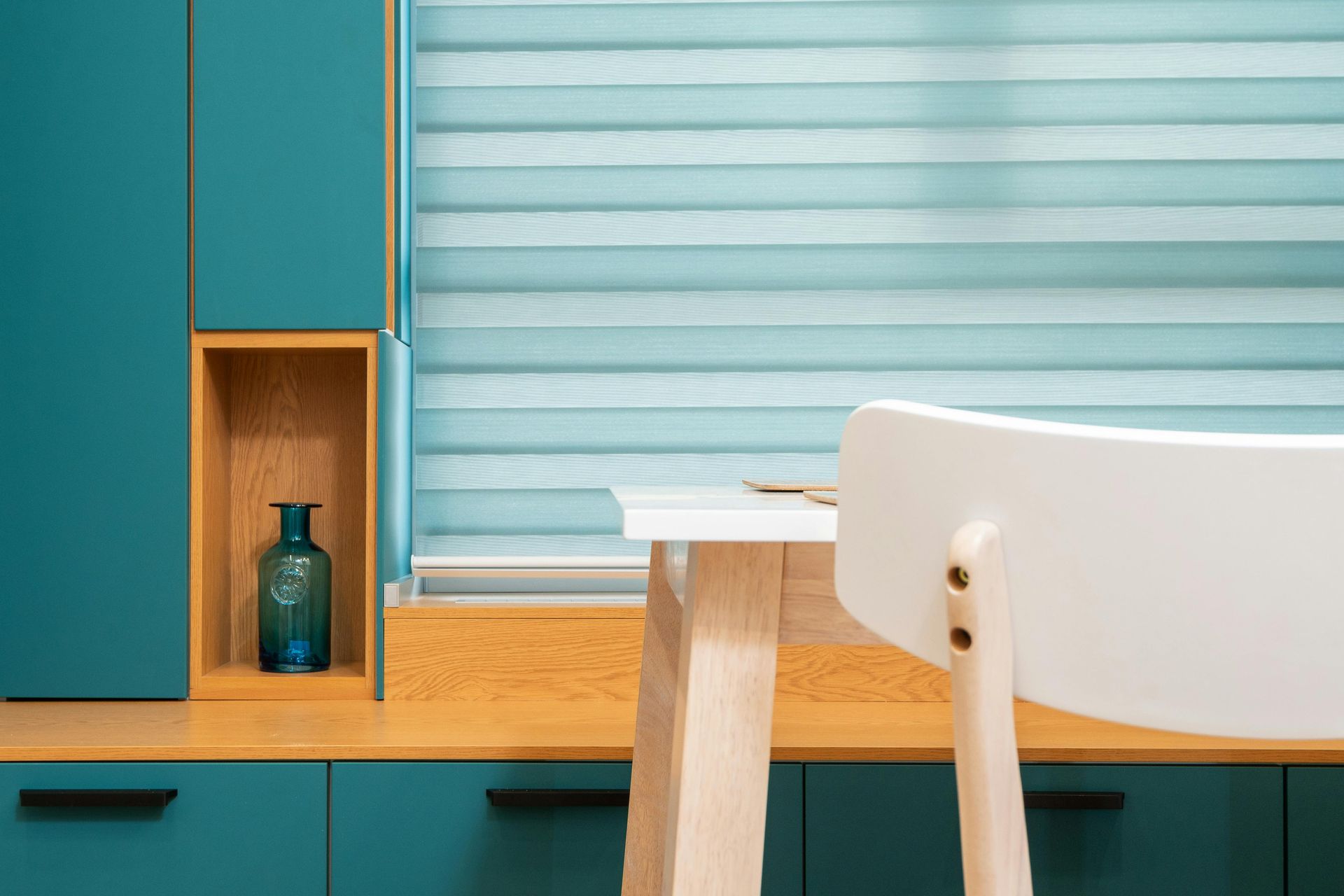
Pleated blinds use a single layer of folded fabric that creates a crisp, elegant appearance when lowered and stacks neatly when raised.
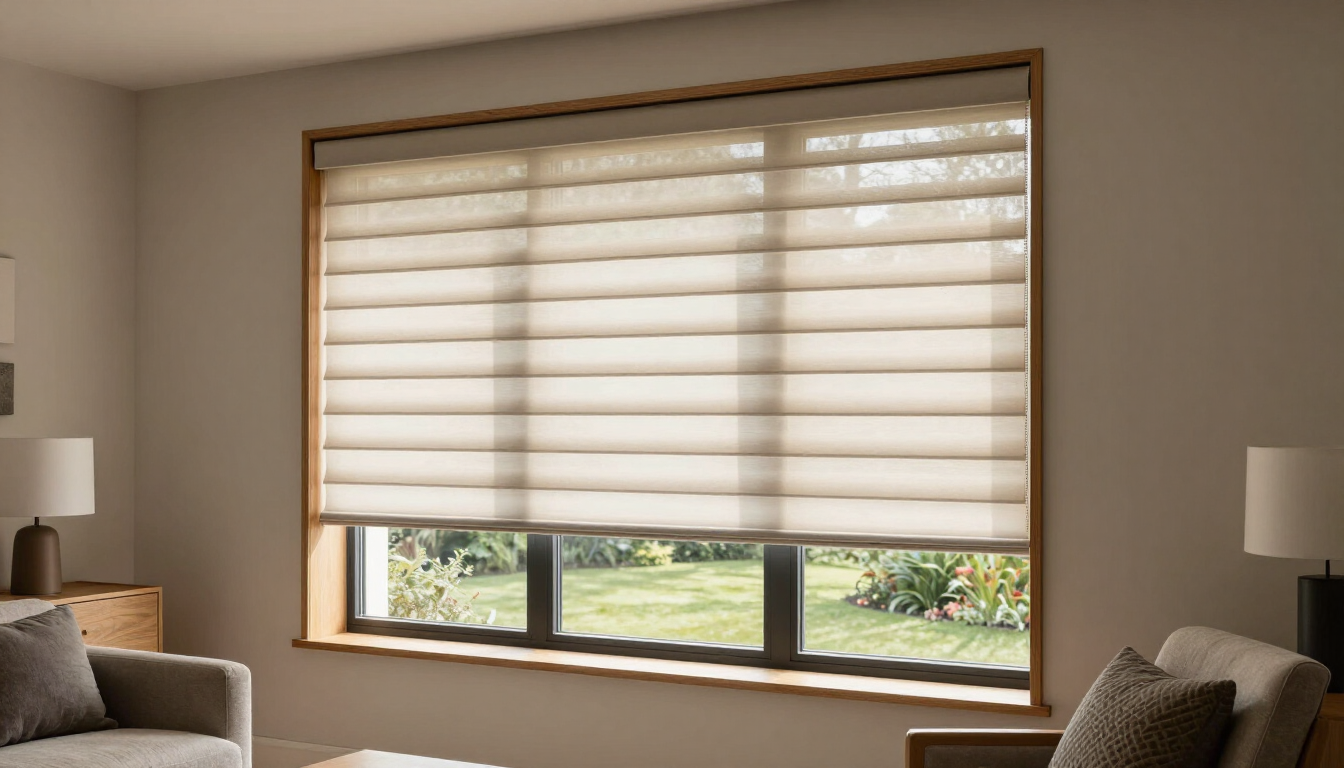
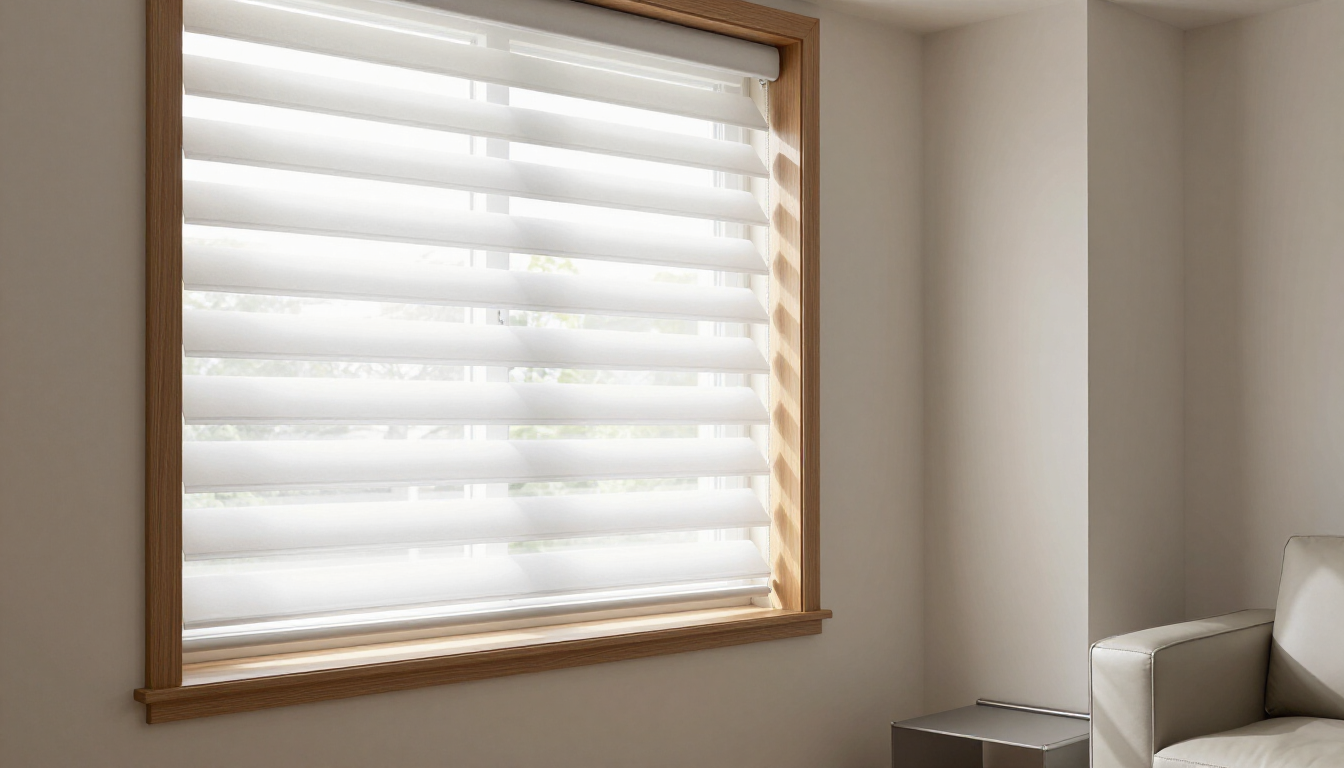
Cellular blinds, also known as honeycomb blinds, use multiple fabric layers that form air pockets inside the blind. These pockets trap air and help create a thermal barrier between the room and the window.
Both options are available made to measure and work beautifully with modern uPVC windows and doors.
Both styles can also be fitted with:
- Light-filtering fabrics
- Dim-out fabrics
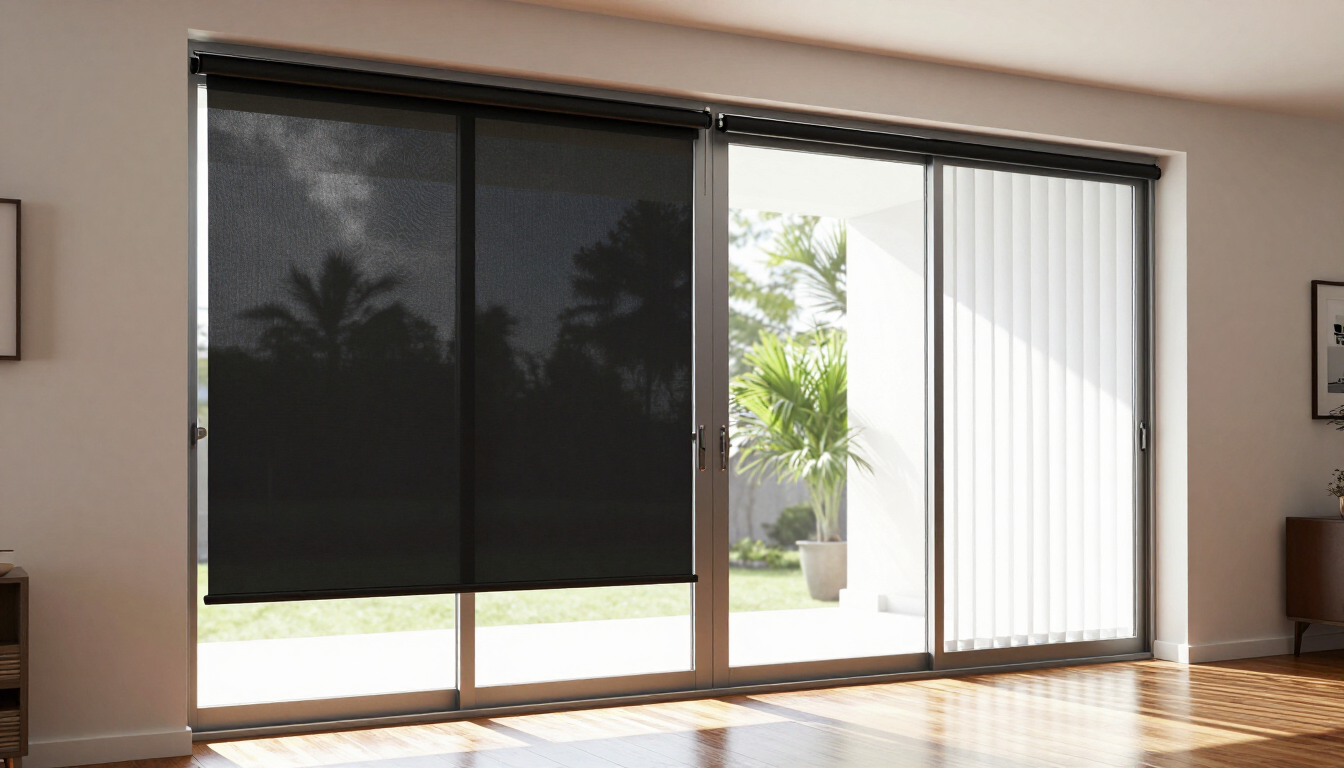
- Blackout options
- Perfect Fit systems
- Cordless controls
- Motorised operation
Which Blinds Offer Better Insulation?
When thermal performance matters most, cellular blinds usually come out ahead.
Why Cellular Blinds Insulate Better
The honeycomb structure traps air inside the fabric cells, helping reduce heat transfer through glazing.
This can help:
- Keep rooms warmer during winter
- Reduce summer heat gain
- Improve comfort near large windows
- Reduce cold draughts
- Support energy efficiency
Cellular blinds are especially popular for:
- Conservatories
- Bedrooms
- North-facing rooms
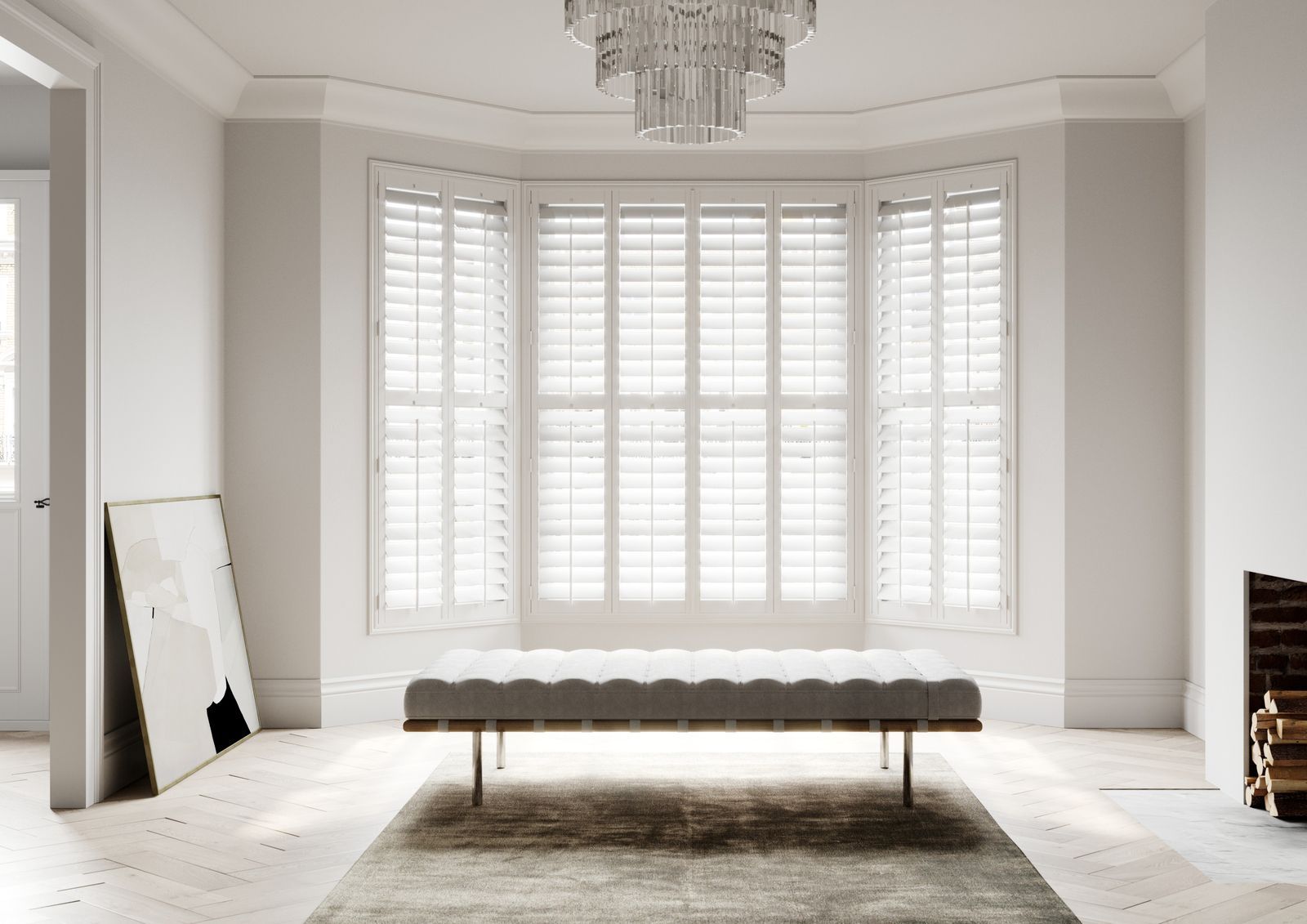
- Bay windows
- Homes with large glazed areas
Are Pleated Blinds Still Energy Efficient?
Yes, although they do not insulate as effectively as cellular blinds.
Pleated blinds still provide:
- Moderate thermal improvement
- Reduced glare
- Better comfort near windows
- A lighter, slimmer appearance
Many homeowners choose pleated blinds when style and simplicity are the priority while still wanting improved comfort compared to bare glazing.
Explore made-to-measure blind options here.
Light Control and Privacy Differences
Both pleated and cellular blinds offer excellent control over daylight and privacy.
Pleated Blinds
Pleated fabrics create a softer filtered glow that works especially well in:
- Living rooms
- Kitchens
- Dining spaces
- Home offices
They help reduce harsh glare without darkening the room too heavily.
Cellular Blinds
Because cellular fabrics are slightly thicker, they often provide:
- Greater privacy at night
- Better blackout performance
- Improved light control in bedrooms
Blackout cellular blinds paired with Perfect Fit systems can significantly reduce light leakage around the edges.
Which Blinds Work Best in Different Rooms?
Bedrooms
Cellular blackout blinds are often the best choice for:
- Better sleep quality
- Improved insulation
- Reduced outside light
- Added privacy
Pleated dim-out fabrics work well when total blackout is not necessary.
Living Rooms
Pleated blinds remain extremely popular in living spaces thanks to their elegant appearance and soft light diffusion.
Cellular blinds are ideal when insulation and energy efficiency are equally important.
Conservatories
Conservatories frequently experience extreme temperature swings throughout the year.
Cellular blinds are particularly effective at reducing:
- Summer overheating
- Winter cold spots
- Glare from roof glazing
Pleated blinds are also widely used in conservatories where homeowners prefer a slimmer aesthetic or lower overall cost.
If you are comparing options for bays and larger windows, read our guide here.
How Wide Can Pleated or Cellular Blinds Be?
Most pleated and cellular blind systems can comfortably span widths of around 2 to 2.4 metres per panel, depending on:
- Fabric type
- Blind mechanism
- Weight of the material
- Mounting method
Very large openings are often better divided into multiple coordinated blinds to improve operation and long-term stability.
During a home consultation, precise measurements help determine the most practical setup for each window or door.
Perfect Fit Blinds and Child Safety Options
Both pleated and cellular blinds work exceptionally well with Perfect Fit systems.
What Is Perfect Fit?
Perfect Fit blinds clip directly onto uPVC windows and doors without drilling into the frame.
They are especially useful for:
- Patio doors
- Bi-fold doors
- Conservatories
- Tilt-and-turn windows
Because the blind moves with the window or door, it helps prevent swinging or movement during daily use.
Explore pleated blind options here.
Child Safety Features
Modern blind systems are designed with child safety in mind.
Available options include:
- Cordless systems
- Safety tensioners
- Motorised operation
- Wand controls
Cordless and motorised systems are particularly popular in homes with young children or pets.
Are Cellular Blinds Worth the Extra Cost?
For many homeowners, yes.
Cellular blinds usually cost more than pleated blinds because of their multi-layer construction and improved insulation performance.
However, the added comfort and energy efficiency often justify the investment, especially in:
- Bedrooms
- Conservatories
- Older properties
- Rooms with large windows
Pleated blinds remain an excellent option for homeowners who prioritise:
- Clean styling
- Slim stacking
- Light diffusion
- Value for money
Durability and Maintenance
Both pleated and cellular blinds are designed for long-term daily use when properly maintained.
Typical Lifespan
Quality made-to-measure blinds often last many years depending on:
- Sun exposure
- Humidity levels
- Frequency of operation
- Fabric quality
Cleaning Tips
Routine maintenance is simple.
Most blinds can be cleaned using:
- A soft microfibre cloth
- Gentle vacuuming with a brush attachment
- Light dusting
Moisture-resistant fabrics are recommended for kitchens, bathrooms, and conservatories.
FAQ
Which is better: pleated or cellular blinds?
Cellular blinds are usually better for insulation and privacy. Pleated blinds are ideal for a sleek appearance and softer light filtering.
Are pleated blinds energy efficient?
Yes. Pleated blinds help improve comfort and reduce glare, although cellular blinds generally offer stronger insulation.
Do cellular blinds help keep rooms warmer?
Yes. The honeycomb structure traps air and helps reduce heat loss through windows during colder months.
Are Perfect Fit blinds available in both styles?
Yes. Both pleated and cellular blinds can be installed using Perfect Fit systems for uPVC windows and doors.
How long do pleated and cellular blinds last?
With proper care and normal use, high-quality made-to-measure blinds can last for many years.
Why a Home Consultation Makes a Difference
Lighting conditions can completely change how fabrics and colours appear inside a room.
During a free in-home consultation, Robson Blinds helps homeowners compare samples directly at the window, making it easier to choose the right fabric, opacity, and finish.
The process includes:
- Precise measuring
- Fabric comparisons
- Advice on insulation and light control
- Perfect Fit demonstrations
- Guidance on motorised and cordless options
- No-obligation quotations
The Bottom Line
Both pleated and cellular blinds offer stylish, practical solutions for modern homes.
If insulation and year-round comfort are the priority, cellular blinds usually provide the strongest performance. If you prefer a slim, elegant appearance with excellent glare control, pleated blinds remain a fantastic choice.
Both styles can be customised with blackout fabrics, Perfect Fit systems, cordless controls, and motorised operation to suit your home and lifestyle.
To compare fabrics in your own space and receive expert advice, book a free in-home consultation with Robson Blinds today.
Explore the full range here.
Garden awning in Buxton: How a Garden Awning Can Transform Your Outdoor Space for the British Summer