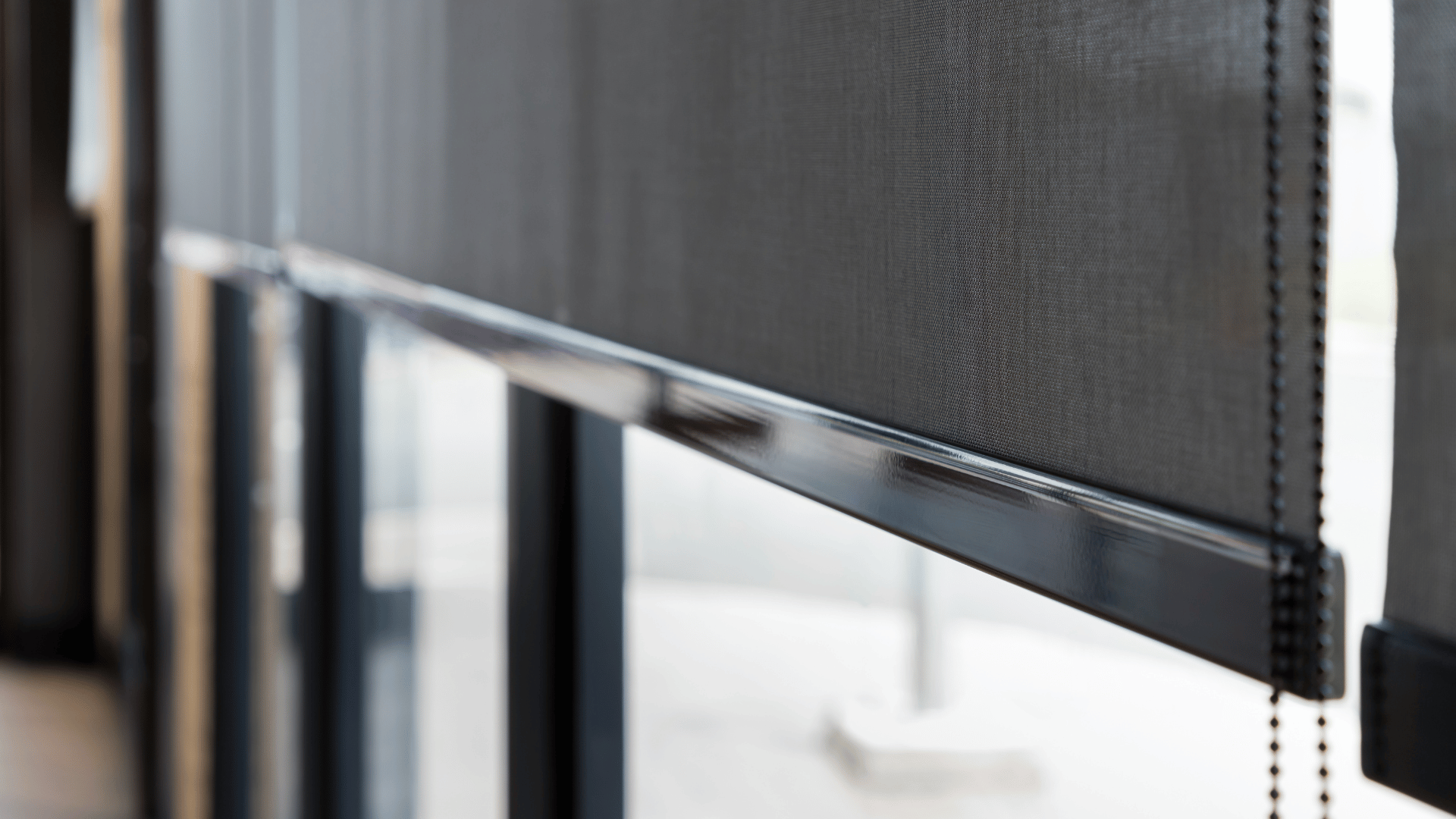
Roller Blinds vs Vertical Blinds for Patio and Bi-Fold Doors
Choosing blinds for French, patio, and bi-fold doors is different from selecting blinds for a standard window. You need a solution that provides smooth everyday access, stays stable when doors are opened, offers privacy without sacrificing natural light, and complements a modern living space.
This guide compares vertical blinds , wide-width roller blinds , and Perfect Fit systems to help you decide which option best suits your home. We'll also explain privacy considerations, child safety, wind resistance, and when each style performs best.
How to choose blinds for wide door openings
Before choosing a blind, think about how you use the doors every day. If they're opened frequently, ease of operation should be a priority. If they remain closed most of the time, glare reduction and privacy may be more important.
Consider:
- Daily traffic flow and door handle clearance
- Available headroom for tracks or cassettes
- Floor thresholds and sill height
- Exposure to drafts that could move fabrics
- Daytime versus nighttime privacy needs
A professional survey helps ensure the finished installation clears handles, operates smoothly, and suits the specific door system.
Vertical blinds: a practical choice for large glazed areas
Vertical blinds remain one of the most practical solutions for patio and bi-fold doors. Their rotating louvres allow precise control over light and glare while still maintaining outward visibility.
Advantages
- Excellent control of sunlight and glare
- Can stack neatly to one side or split in the centre for French doors
- Flexible operation around handles and furniture
- Cost-effective and easy to maintain
Considerations
- Louvres may move slightly in strong drafts, although weighted designs minimise this.
- They require stacking space when fully open.
- Correct installation height is important to prevent contact with floor thresholds.
Are vertical blinds outdated?
No. Modern fabrics, textured finishes, slimmer tracks, and chainless weighted systems have kept vertical blinds relevant in contemporary interiors. They remain especially effective for large expanses of glass where flexibility is important.
Roller blinds: clean lines and minimalist styling
Wide roller blinds provide a sleek, uncluttered appearance that suits modern homes. Depending on the door configuration, you may choose one blind per door leaf or a single wide blind spanning multiple panes.
Benefits
- Minimalist appearance
- Available in light-filtering, sunscreen, and blackout fabrics
- Easy motorisation for larger installations
- Simple operation and low maintenance
Things to consider
- Rollers require sufficient clearance for the fabric roll and cassette.
- Free-hanging fabrics may move in breezy conditions unless side guides are used.
- For frequently used bi-fold doors, individual solutions may offer greater convenience than a single large blind.
Perfect Fit systems: ideal for many uPVC doors
Perfect Fit systems clip directly into compatible uPVC window or door beads without drilling, allowing the blind to move with the door itself.
This makes them particularly well suited for French doors and many bi-fold installations.
Advantages
- No drilling into the frame
- No loose cords
- Fabric remains secure when doors are opened
- Clean, integrated appearance
- Excellent child safety characteristics
Perfect Fit systems are available with pleated, cellular, Venetian, and certain roller-style fabrics.
However, compatibility depends on factors such as bead depth and frame design, so a survey is recommended before ordering.
Privacy: can you see out without others seeing in?
This is one of the most common questions homeowners ask.
During daylight hours, screen and sunscreen fabrics often allow occupants to maintain outward visibility while reducing visibility from outside, depending on lighting conditions.
However, there is no blind fabric that guarantees one-way privacy at night . Once interior lights are brighter than outdoor conditions, people outside may be able to see in.
If nighttime privacy is important, consider:
- Tighter-weave light-filtering fabrics
- Blackout materials
- Layering blinds with curtains
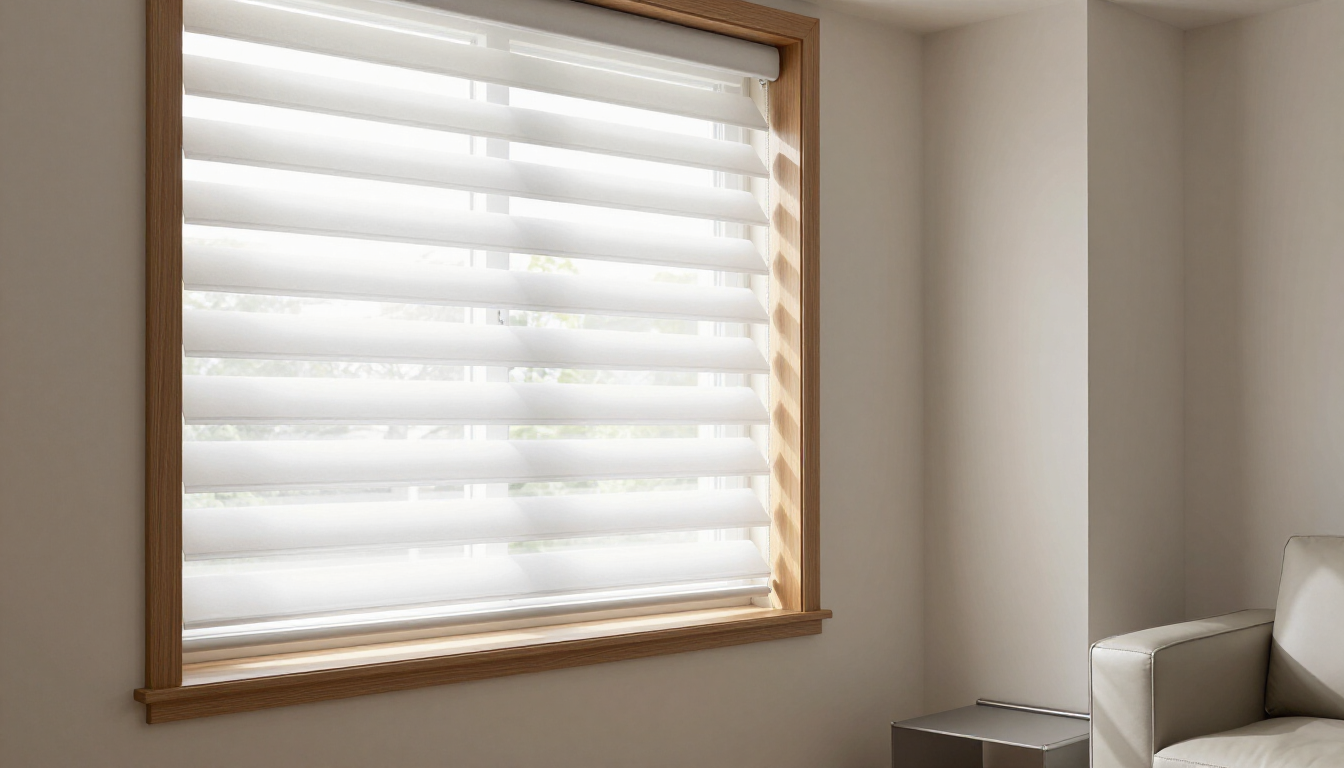
- Day and Night (Vision) blinds configured for increased privacy
Wind, thresholds, and everyday use
For homes where doors are opened frequently, stability matters.
- Perfect Fit systems remain fixed to the door and resist movement.
- Vertical blinds can be drawn fully aside to create a clear opening.
- Roller blinds work well when doors are used less frequently or primarily for light control.
Proper measuring also prevents fabrics or louvres from catching on thresholds or door handles.
Child safety
Modern blind installations should always prioritise child safety.
Perfect Fit systems eliminate hanging cords, while standard roller and vertical blinds can be fitted with compliant child safety devices or motorised controls. Cordless or motorised operation is often the preferred choice in family homes.
When vertical blinds remain the best option
Vertical blinds continue to excel when you need:
- Flexible control over glare throughout the day
- An economical solution for wide glazed areas
- Easy maintenance and replacement
- A clear opening when stacked to one side
- Adjustable privacy without completely blocking natural light
Alternatives worth considering
Depending on your style preferences and door configuration, alternatives include:
- Perfect Fit pleated or cellular blinds
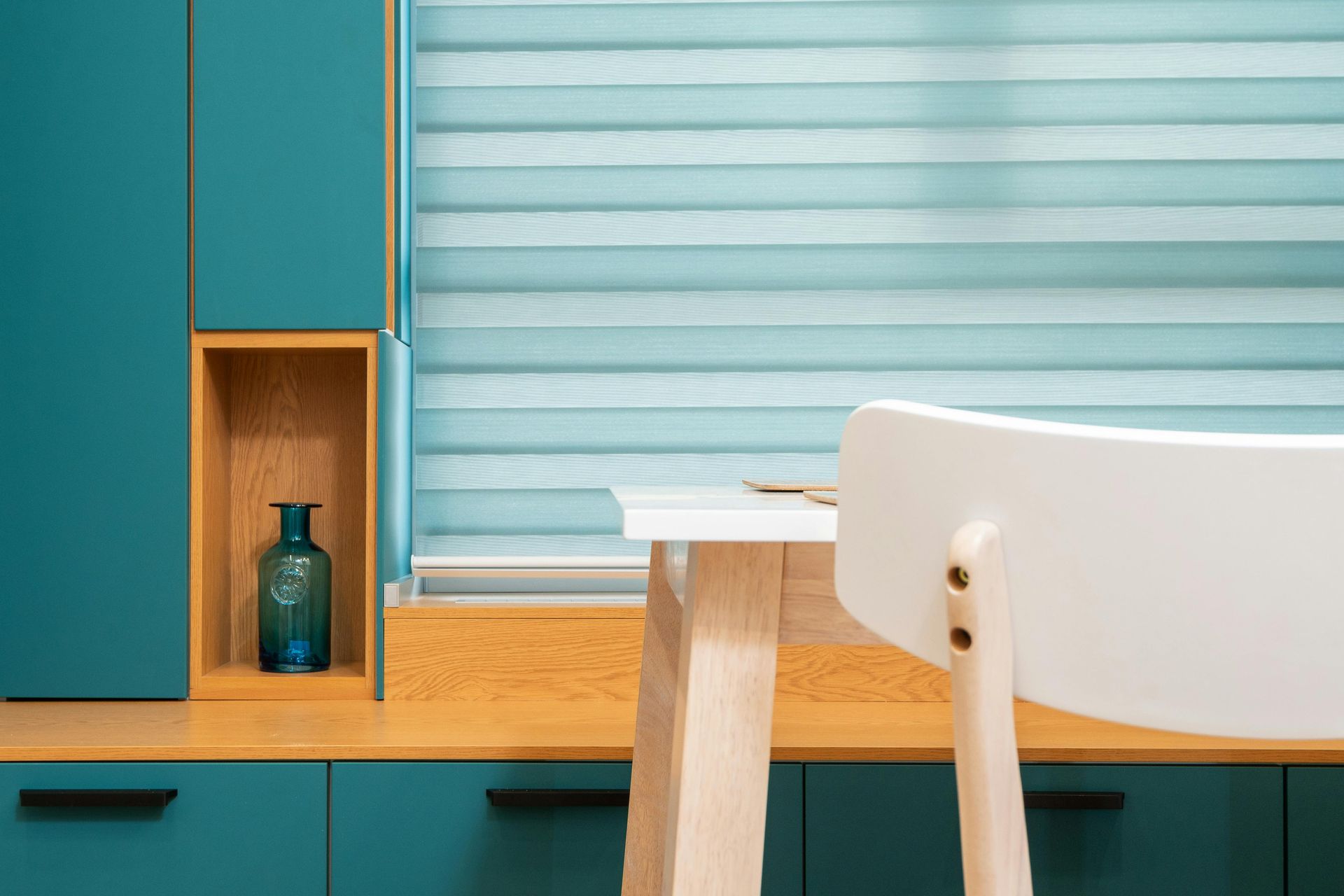
- Day and Night (Vision) blinds
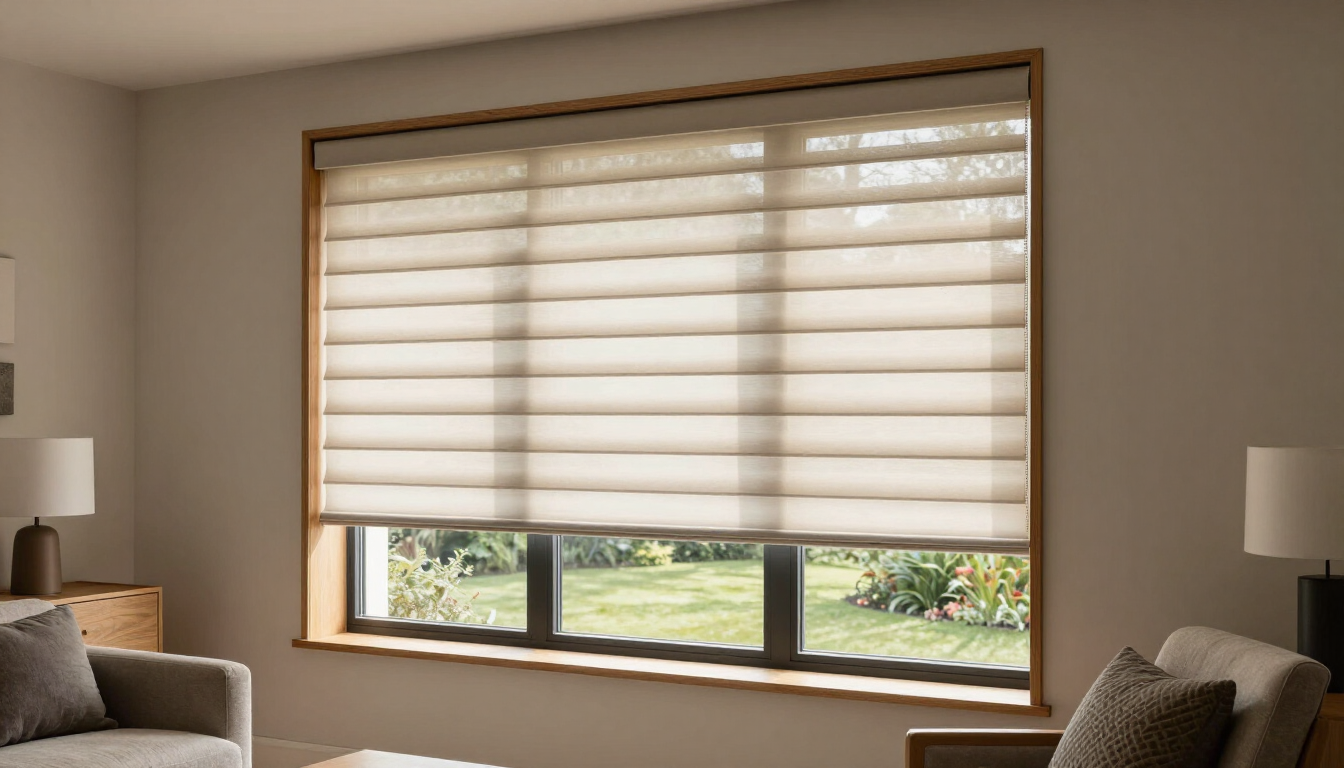
- Wide sunscreen roller blinds
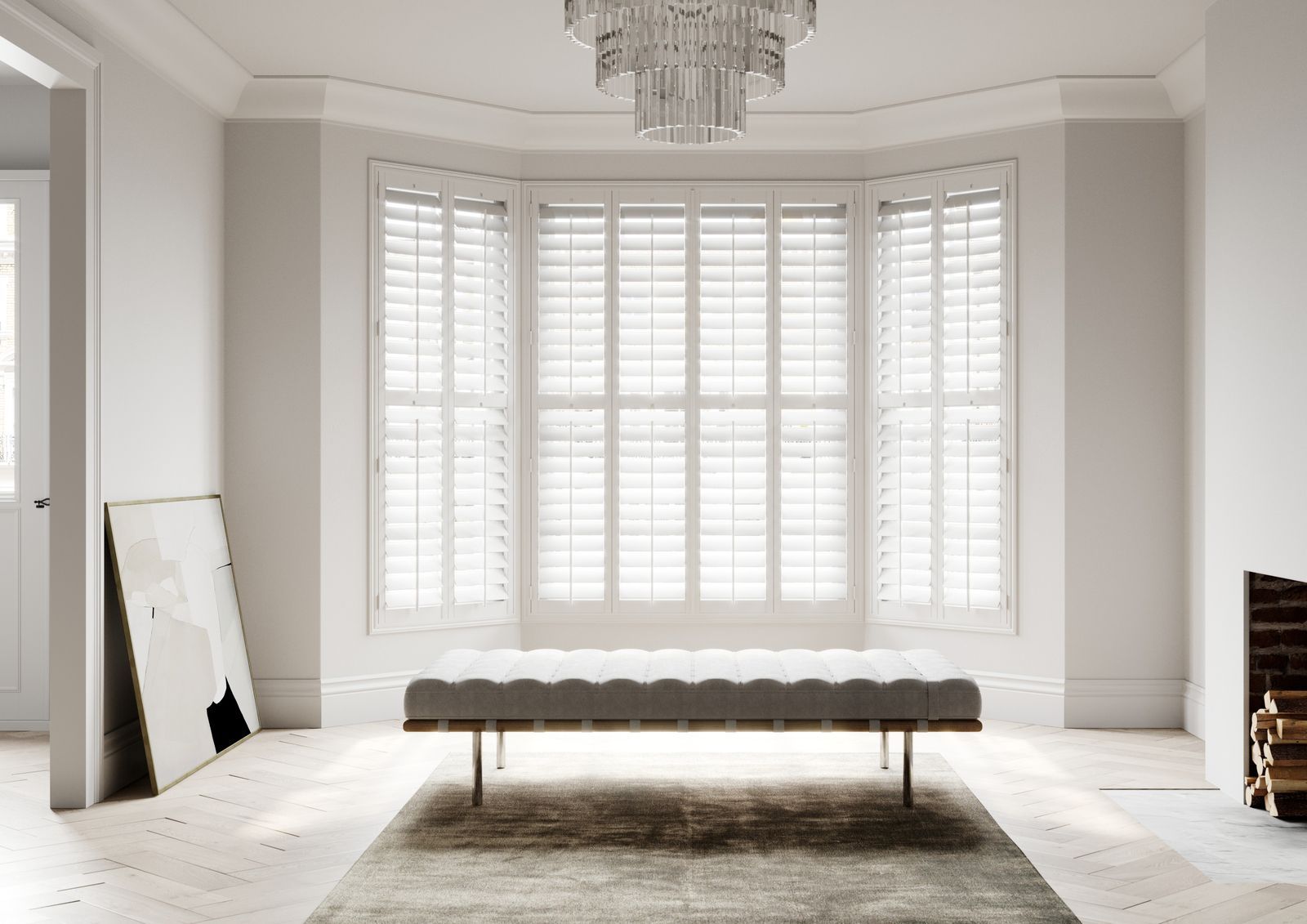
- Sliding shutters for architectural applications
Each offers different strengths in insulation, privacy, appearance, and ease of operation.
Frequently Asked Questions
What type of blind is best for patio doors?
The best choice depends on how the doors are used. Perfect Fit systems work exceptionally well for frequently used doors, while vertical blinds offer excellent flexibility for large glazed areas. roller blinds suit homeowners seeking a clean, contemporary appearance.
Are vertical blinds out of style in 2026?
No. Updated fabrics, slimmer hardware, and modern colour palettes ensure they remain a popular and practical option for contemporary homes.
What can I use instead of vertical blinds?
Alternatives include Perfect Fit pleated or cellular blinds, Day and Night blinds, wide roller blinds, or sliding shutters.
Can blinds let you see out while preventing others from seeing in?
During daylight, sunscreen and screen fabrics may reduce inward visibility while maintaining outward views. However, no blind provides complete one-way privacy after dark when interior lights are on.
Final thoughts
Choosing between roller blinds, vertical blinds, and Perfect Fit systems ultimately comes down to how you use your doors and what matters most to you—whether that's effortless access, glare control, privacy, insulation, or aesthetics.
A professional measure ensures the finished blinds clear handles, fit neatly within the available space, and operate smoothly for years to come. By matching the right system to your lifestyle and door configuration, you can achieve a solution that is both practical and visually appealing.
Garden awning in Buxton: How a Garden Awning Can Transform Your Outdoor Space for the British Summer