As temperatures drop across the Peak District, many homeowners notice just how much heat escapes through windows, particularly in older properties around Buxton and Leek with single or older double glazing. Heavy curtains help a little, but they are not always practical in every room, and standard roller or venetian blinds do very little to actually stop heat loss.
Cellular blinds, sometimes called honeycomb blinds, are built specifically to address this. Their unique structure traps a layer of air between the window and the room, acting almost like an extra layer of insulation. This guide explains how they work, where they make the biggest difference, and what to consider before fitting them ahead of winter.
How The Honeycomb Structure Actually Insulates
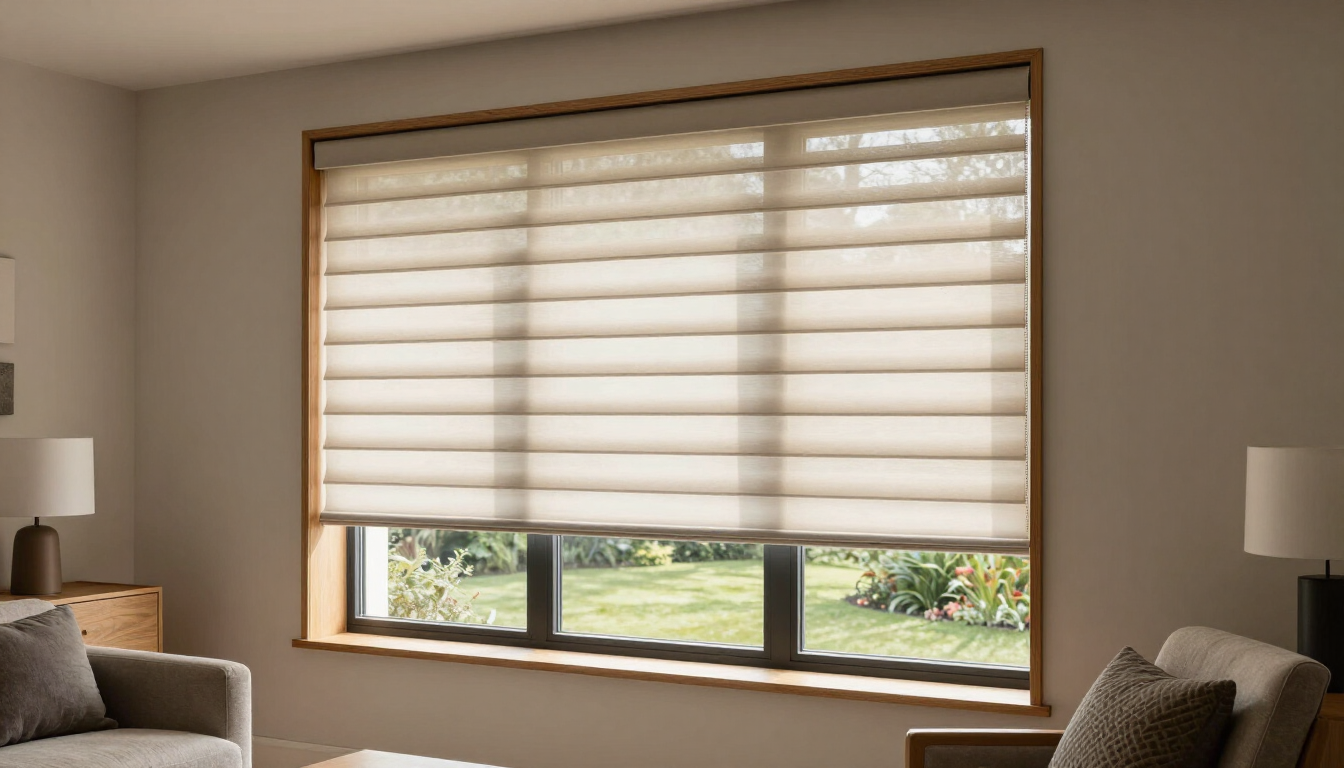
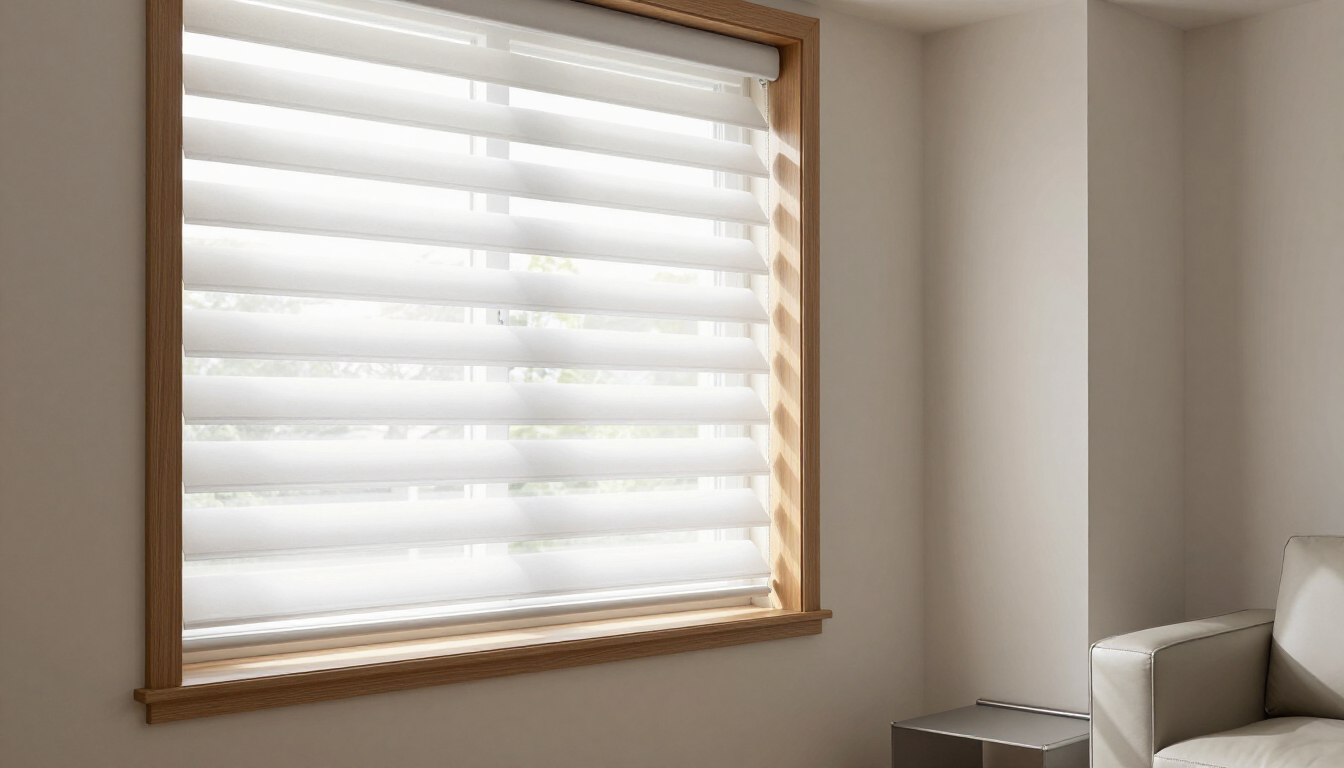
Unlike a flat fabric blind, cellular blinds are made from pleated fabric folded into a series of connected honeycomb-shaped cells. Each cell holds a pocket of still air between the glass and the room, and because still air is a poor conductor of heat, this pocket slows down the transfer of warmth from inside the home to the cold glass surface.
This same structure works in reverse during summer, helping to keep direct heat from a sun-facing window from warming the room as quickly. It is one of the few blind styles genuinely designed around thermal performance rather than purely aesthetics, though the finish still looks neat and contemporary once fitted, with a soft pleated texture that suits both traditional and modern interiors.
Some ranges offer double or even triple cell constructions, which trap additional layers of air for even better performance, and these tend to suit north-facing rooms or older sash windows where draughts are most noticeable. The trade-off is a slightly deeper stack when the blind is fully raised, which is worth checking against the window reveal during a survey, particularly on smaller or shallower window recesses.
Where Cellular Blinds Make The Biggest Difference
Not every room benefits equally. Bedrooms and living rooms with large single-glazed or older double-glazed windows tend to see the most noticeable improvement, since these are usually the coldest spots in a house during winter evenings.
Conservatories and garden rooms, which often have extensive glazing and can become uncomfortably cold once the heating switches off, are another strong candidate. A well-fitted cellular blind can make these spaces genuinely usable through more of the year rather than just in summer.
Even in newer, well-insulated homes, cellular blinds still add a modest thermal benefit around window reveals, which is often where draughts are felt most directly, particularly on older timber or aluminium frames. Homeowners who work from home in a garden office or spare bedroom during the colder months often notice this benefit most, since it is exactly the kind of room where a cold window can make a whole day feel uncomfortable.
Choosing Between Pleated and Cellular Styles
Pleated blinds and cellular blinds are often mentioned together because they look similar from the front, but they perform differently. A pleated blind is made from a single layer of folded fabric and gives a soft, elegant look without the same insulating air pocket.
A true cellular blind, by contrast, uses two or more layers bonded together to form the honeycomb cells, which is where the thermal benefit comes from. If warmth retention is the main priority, it is worth confirming with the fitter which construction is being quoted, since the two are sometimes used interchangeably in casual conversation.
Blackout linings can also be added to cellular blinds for bedrooms, combining draught reduction with light control in a single product rather than needing two separate treatments for one window.
Top-Down Bottom-Up Operation
Many cellular blinds can be lowered from the top or raised from the bottom independently, which allows daylight in at the top of a window while keeping privacy and insulation at eye level, a useful feature for ground floor rooms overlooked by the street.
Fabric And Colour Choices
Cellular fabrics are available in a wide range of colours and opacities, from sheer light-filtering options through to full blackout, so the insulating benefit does not mean compromising on the room's overall look.
Fitted Before The Cold Sets In
Cellular blinds are one of the more practical upgrades a home can make ahead of winter, cutting down on draughts while still looking neat and modern in any room. As with all our interior blinds, they are currently included in our 20% off promotion, and every order comes with free fitting across Buxton, Leek and the surrounding 15-mile radius.
To find the right cellular fabric for your windows, view our pleated and cellular blinds range or get in touch for a free home quote before the coldest months arrive.
FAQs
Do cellular blinds really reduce heating bills?
They will not replace proper double glazing or wall insulation, but by trapping a layer of still air against the glass they do measurably reduce heat loss through a window, which can make a noticeable difference to how a room feels and, over time, to heating costs.
What is the difference between pleated and cellular blinds?
Pleated blinds use a single folded layer of fabric, while cellular blinds use two or more layers bonded into honeycomb-shaped cells. The cellular construction is what creates the insulating air pocket, so it offers a greater thermal benefit than a pleated blind of similar appearance.
Can cellular blinds be fitted to old or draughty window frames?
Yes, and this is often where they are most useful, since older timber and aluminium frames tend to lose the most heat around the edges. A proper measure and fit ensures the blind sits close to the frame to minimise gaps.
Are cellular blinds suitable for a conservatory?
Cellular blinds are a popular choice for conservatories and garden rooms because of their insulating properties, helping to keep the space warmer in winter and cooler in summer compared with a standard roller blind.
Garden awning in Buxton: How a Garden Awning Can Transform Your Outdoor Space for the British Summer