Summer-ready spaces: why sunblock roller blinds are one of the smartest upgrades for your home
As the days become longer and brighter, natural light can quickly turn from something you enjoy into something you spend all day trying to manage. Afternoon glare makes it difficult to work from home, televisions become hard to watch, conservatories overheat, and furniture slowly fades after months of direct sunlight.
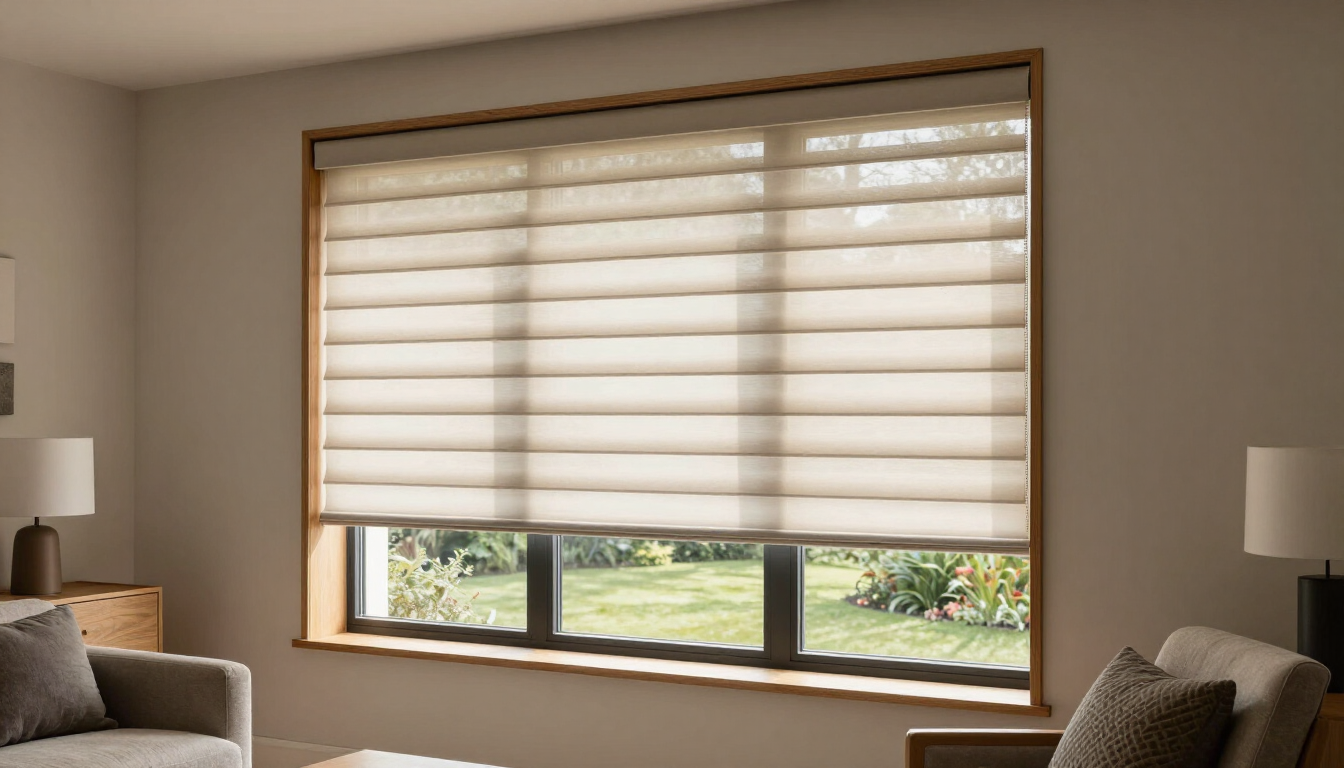
Fortunately, you do not need to keep curtains closed all day to stay comfortable. Modern sunblock roller blinds are designed to reduce glare, filter harsh sunlight and improve privacy while still allowing your rooms to feel bright and welcoming.
This guide explains how sunblock roller blinds work, how to choose the right fabric openness, when blackout blinds are the better option, and why made-to-measure installation creates a noticeably better result. Whether you are improving a home office, updating a family living room or preparing your home for summer, understanding these options will help you choose blinds that continue to perform for years.
Why more homeowners choose sunblock roller blinds
Many people assume that roller blinds simply block light, but modern screen fabrics are designed to do something much more sophisticated. Instead of completely darkening a room, they filter sunlight before it enters your home.
This creates a space that feels noticeably cooler and more comfortable without sacrificing daylight. Computer screens become easier to see, reflections on televisions are reduced, and rooms remain pleasant even during the brightest parts of the day.
Another advantage is the protection these fabrics provide for your interior. Prolonged UV exposure slowly fades wooden flooring, carpets, artwork and upholstered furniture. By filtering much of that ultraviolet light before it reaches the room, sunblock fabrics help preserve the appearance of your home over time.
Because they balance daylight with comfort, these blinds are particularly popular in:
- Home offices where screen glare affects productivity
- Living rooms with large south or west-facing windows
- Conservatories that become excessively warm
- Street-facing lounges where daytime privacy is important
- Dining rooms that receive strong afternoon sun
Rather than making a room feel closed off, they create a softer, more comfortable environment throughout the day.
Understanding fabric openness
One of the most important decisions when choosing a sunblock blind is selecting the correct openness factor.
Openness refers to how tightly the fabric is woven. Although the difference may seem small, it has a significant impact on how much light enters the room, how much privacy you enjoy and how clearly you can see outside.
A lower openness percentage means the weave is tighter. This blocks more sunlight, reduces glare more effectively and offers greater daytime privacy, although the room will appear slightly darker.
Higher openness fabrics allow more natural light inside and preserve clearer views outdoors, making them popular in spaces where brightness is more important than maximum glare reduction.
As a general guide:
1–3% openness
This is often the preferred choice for home offices, media rooms and west-facing windows where controlling glare is the priority. It offers excellent privacy during daylight hours while still allowing filtered natural light into the room.
Around 5% openness
Many homeowners consider this the best all-round option. It balances brightness, outside views and glare reduction, making it suitable for most living areas.
Above 5% openness
These fabrics maximise daylight and maintain the clearest outward views. They work well in rooms that receive less direct sunshine but may not reduce glare enough for computer work or television viewing.
Window orientation also influences the best choice. Large south-facing windows often benefit from tighter screen fabrics than north-facing rooms, while west-facing glazing usually requires stronger glare reduction during late afternoons.
This is why viewing samples inside your own property is so valuable. A fabric that looks perfect in a showroom may perform very differently in your home.
UV protection that helps preserve your home
Many homeowners first choose sunblock blinds to make a room more comfortable, but they are often surprised by the long-term protection they provide.
Sunlight contains ultraviolet rays that gradually damage furnishings. Carpets lose colour, wooden floors become unevenly bleached and expensive sofas begin to fade where sunlight falls every afternoon.
Technical screen fabrics block a significant proportion of these UV rays while still allowing pleasant natural daylight into the room.
Over several years, this protection can help preserve:
- Hardwood flooring
- Carpets and rugs
- Artwork
- Curtains
- Leather furniture
- Fabric upholstery
This makes sunblock blinds particularly valuable for conservatories, bay windows and rooms with large glazed doors that receive prolonged direct sunshine.
Can people see inside through sunblock blinds?
This is one of the questions customers ask most often.
During daylight hours, sunblock fabrics provide excellent privacy because the brighter conditions outside make it difficult for people to see into your home. At the same time, you can usually continue enjoying your outside view.
However, this effect changes after sunset.
Once interior lights become brighter than the outside environment, visibility naturally reverses. People outside may be able to see silhouettes or activity inside the room.
For properties overlooking roads or neighbouring houses, many homeowners combine sunblock blinds with curtains or secondary blackout blinds so they enjoy privacy both day and night.
When blackout blinds are the better solution
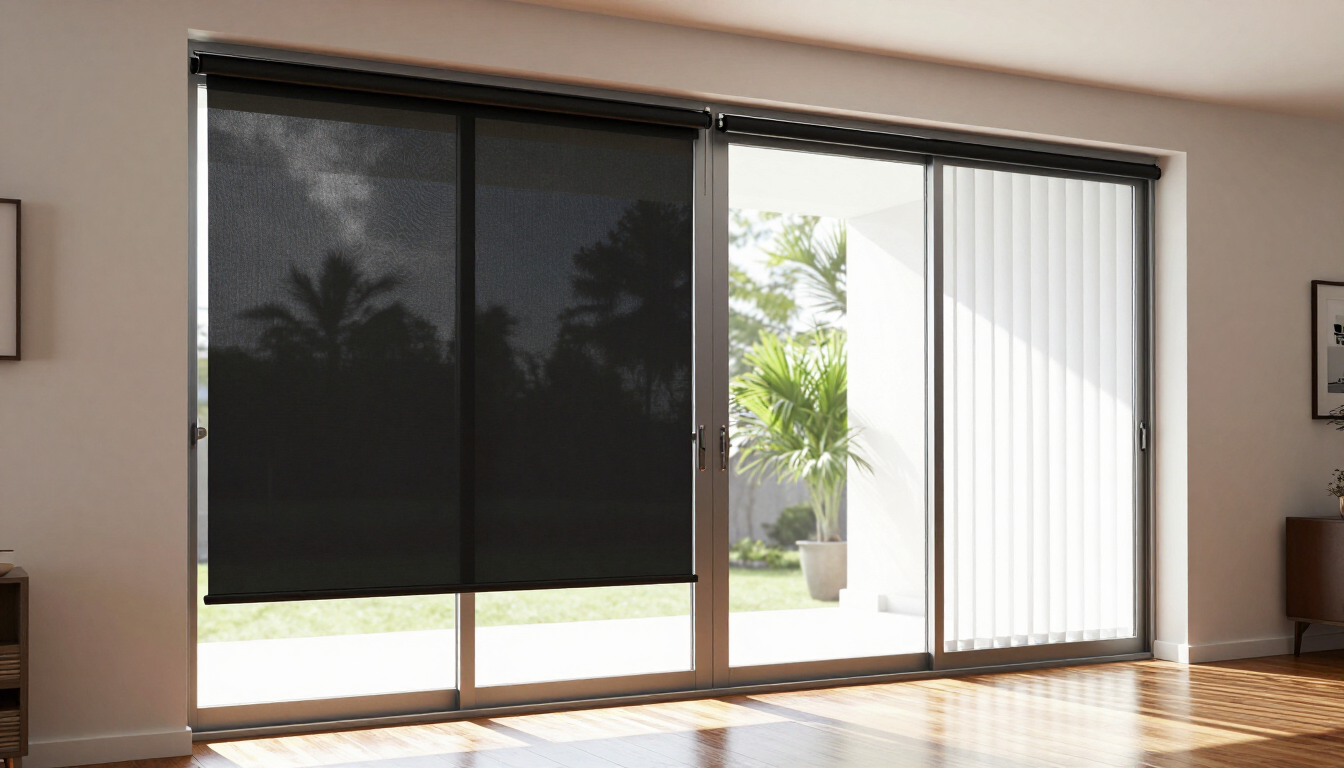
Although sunblock blinds are excellent for everyday comfort, there are situations where blocking almost all incoming light is the better choice.
Bedrooms are the obvious example. Shift workers, young children and anyone who prefers a darker sleeping environment usually benefit more from blackout fabrics.
Rather than choosing between sunblock and blackout, many homeowners combine both.
During the day, the sunblock blind keeps the room bright while reducing heat and glare.
At night, the blackout blind provides the darkness needed for better sleep.
This layered approach gives you far greater flexibility than relying on one blind for every situation.
Choosing the right blackout installation
The performance of a blackout blind depends just as much on installation as on the fabric itself.
Standard roller blinds inevitably allow a small amount of light to escape around the edges because the fabric must move freely inside the brackets.
If maximum darkness is important, there are more effective alternatives.
Cassette systems enclose the fabric neatly at the top of the window, while side channels reduce light escaping from the edges. Perfect Fit blackout blinds provide another excellent solution by fitting directly into uPVC frames without drilling, creating a much closer seal around the glass.
Cellular blackout blinds also perform extremely well because their honeycomb structure adds insulation alongside improved light control.
The right choice depends on your window type, available recess depth and how dark you would like the room to become.
Why made-to-measure blinds make such a difference
Although ready-made blinds may seem attractive initially, they rarely fit perfectly.
Even small measurement errors create unnecessary light gaps, uneven operation and a less professional finish.
A made-to-measure blind is designed specifically for your window, taking into account recess depth, handles, tiles, architraves and any obstructions that could affect operation.
Professional measuring also ensures that:
- Brackets are correctly positioned
- Cassette systems fit neatly
- Fabrics hang evenly
- Chain safety devices comply with regulations
- Motorised options are specified correctly
The result is a blind that looks integrated into the room rather than simply fitted across the window.
Real examples from homes across Buxton
Every property presents slightly different challenges, which is why one solution rarely suits every room.
A south-facing home office often benefits from a 3% openness screen that keeps video calls comfortable while preserving natural light throughout the working day.
A family living room with patio doors may require tighter fabrics to reduce afternoon heat without making the room feel dark. For these spaces, roller blinds are often a top choice.
Period properties overlooking the street frequently combine sunblock roller blinds with curtains, providing daytime privacy while creating a softer appearance in the evening.
Guest bedrooms commonly use blackout cellular blinds alongside lighter day blinds, allowing visitors to choose between complete darkness for sleeping and comfortable filtered daylight during the morning.
Seeing these combinations in real homes helps many customers decide which approach best matches their own priorities.
Professional advice makes choosing easier
Selecting the right blind involves more than choosing a colour.
Window orientation, room usage, glazing size and interior décor all influence which fabric performs best.
At Robson Blinds, every consultation takes place in your own home. Samples are viewed in your actual lighting conditions, measurements are taken precisely, and every installation is completed professionally, including compliant child safety features where required.
Rather than guessing from online photographs, you can compare different openness levels, fabrics and operating systems before making your decision.
Frequently asked questions
Are sunblock roller blinds worth it?
For rooms that receive strong sunlight, they can dramatically reduce glare, improve comfort and help protect furniture from UV damage while maintaining natural daylight.
What openness factor is best?
For most homes, around 5% offers an excellent balance between daylight and glare reduction. Home offices and west-facing rooms often benefit from tighter 1–3% fabrics.
Do sunblock blinds provide privacy at night?
Not completely. They provide excellent daytime privacy, but once interior lights are on, additional window coverings such as curtains or blackout blinds may be needed.
What are the best blackout blinds?
Cassette blackout rollers, Perfect Fit blackout systems and cellular blackout blinds generally provide the highest level of darkness.
Should I choose ready-made or made-to-measure blinds?
Made-to-measure blinds usually provide better light control, smoother operation, improved appearance and a longer-lasting installation because every blind is manufactured specifically for your windows.
Ready to prepare your home for summer?
The right roller blind does far more than simply cover a window. It creates a cooler, more comfortable living space, protects your interiors from UV damage and makes everyday activities—from working on a laptop to watching television—much more enjoyable.
If you are considering new blinds for your home or office, Robson Blinds offers free home consultations throughout Buxton and the surrounding High Peak area. We bring samples to your property, explain the differences between fabrics, measure every window accurately and install everything professionally for a finish that looks as good as it performs.
Garden awning in Buxton: How a Garden Awning Can Transform Your Outdoor Space for the British Summer